He' Nan Chineng Electric Power Equipment Co., Ltd



Blog
Essential Installation Tips for Your New Dry-Type Transformer: Maximize Efficiency and Safety
Jul 31,2026
Essential Installation Tips for Your New Dry-Type Transformer
When it comes to electrical infrastructure, the installation of a dry-type transformer is crucial for ensuring optimal power distribution. This article provides an in-depth guide, covering everything from site preparation to troubleshooting, to help you achieve a seamless installation process.
Table of Contents
- 1. Understanding Dry-Type Transformers
- 2. Benefits of Dry-Type Transformers
- 3. Pre-Installation Considerations
- 4. Site Preparation for Transformer Installation
- 5. Installation Steps for Dry-Type Transformers
- 6. Safety Measures During Installation
- 7. Testing and Commissioning Your Transformer
- 8. Troubleshooting Common Installation Issues
- 9. FAQs About Dry-Type Transformers
- 10. Conclusion
1. Understanding Dry-Type Transformers
Dry-type transformers are a type of transformer that does not use liquid cooling methods. Instead, they rely on air or natural convection for cooling, making them a safer choice for many applications. Understanding their design and function is vital for a successful installation.
What are Dry-Type Transformers?
Dry-type transformers convert electrical energy from one voltage level to another without the use of liquid insulation. They are commonly used in commercial buildings, industrial facilities, and renewable energy applications due to their reliability and lower environmental impact.
Key Components of Dry-Type Transformers
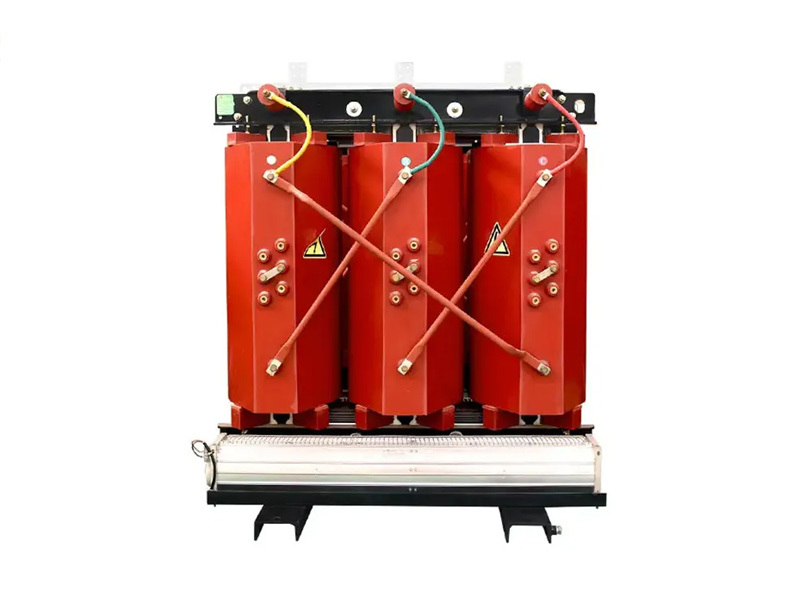
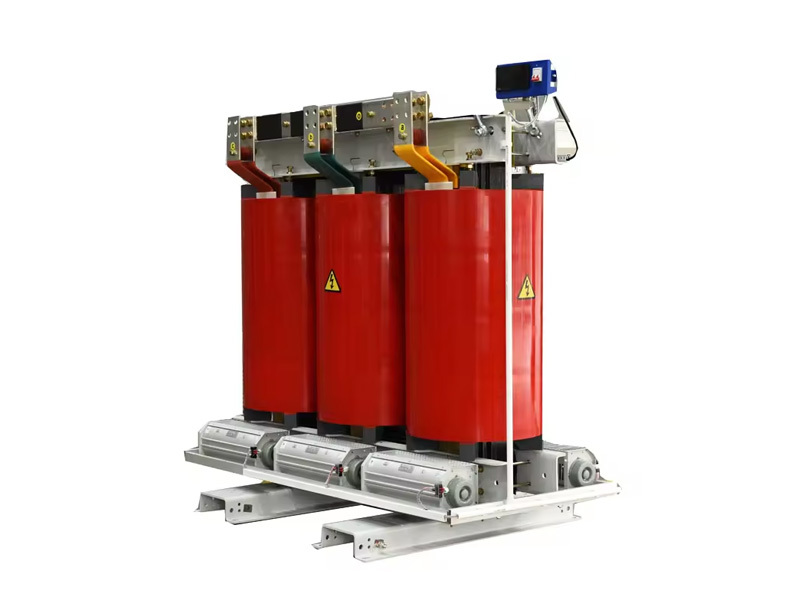
A dry-type transformer consists of several key components, including:
- **Core**: Typically made of silicon steel, it provides a magnetic path for the electrical energy.
- **Windings**: Copper or aluminum wires that carry the electrical current.
- **Insulation**: Usually made of resin, which provides electrical insulation and thermal management.
2. Benefits of Dry-Type Transformers
Understanding the advantages of dry-type transformers can help you make informed decisions during installation.
Environmental Safety
Dry-type transformers pose less risk of environmental contamination due to the absence of oil, making them ideal for urban and sensitive environments.
Reduced Maintenance Costs
These transformers often require less maintenance compared to their oil-filled counterparts, as they are less susceptible to leaks and require no regular oil testing.
Lower Fire Risk
The absence of flammable liquids significantly lowers the fire risk associated with these transformers, making them suitable for indoor installations.
3. Pre-Installation Considerations
Before diving into the installation process, several factors should be considered to ensure a smooth installation.
Choosing the Right Transformer Size
Selecting the appropriate transformer size is crucial. Calculate the load requirements carefully, taking into account future expansions or additional equipment.
Electrical Code Compliance
Ensure that your installation adheres to local electrical codes and standards. This includes obtaining the necessary permits and following guidelines regarding clearances and grounding.
Site Assessment
Conduct a thorough site assessment to identify any potential challenges, such as space restrictions, ventilation needs, and accessibility for maintenance.
4. Site Preparation for Transformer Installation
Proper site preparation sets the foundation for a successful transformer installation.
Location Selection
Select a location that allows for adequate ventilation and is free from moisture and contaminants. Ideally, transformers should be installed in a clean, dry environment.
Foundation Requirements
A sturdy foundation is essential for supporting the weight of the transformer. Make sure the foundation is level and capable of handling the load, considering both static and dynamic forces.
Access and Clearance
Plan for sufficient access around the transformer for maintenance and emergencies. Clearances are essential for safety and operational efficiency. Refer to manufacturer specifications for recommended distances.
5. Installation Steps for Dry-Type Transformers
Once the site is prepared, follow these steps for a successful installation.
Step 1: Unpacking and Inspection
Carefully unpack the transformer, inspecting it for any damage during shipping. Check all components against the packing list to ensure nothing is missing.
Step 2: Positioning the Transformer
Using appropriate lifting equipment, position the transformer on the prepared foundation. Ensure it is level and properly aligned.
Step 3: Electrical Connections
Make the electrical connections according to the manufacturer's instructions. Pay close attention to the polarity and phase connections to avoid operational issues.
Step 4: Grounding
Proper grounding is essential for safety. Connect the grounding terminal of the transformer to the facility's grounding system, ensuring compliance with local codes.
Step 5: Final Checks
Before powering up, conduct a thorough inspection of all connections, ensuring that everything is secure and correctly installed.
6. Safety Measures During Installation
Safety should be a priority throughout the installation process.
Personal Protective Equipment (PPE)
Always wear appropriate PPE, including gloves, safety goggles, and insulated footwear, to protect against electrical hazards.
Lockout/Tagout Procedures
Implement lockout/tagout procedures to ensure that the transformer cannot be accidentally energized during installation.
Emergency Preparedness
Have an emergency plan in place in case of accidents. Ensure that all personnel are trained in emergency protocols and know the location of safety equipment.
7. Testing and Commissioning Your Transformer
After installation, thorough testing ensures the transformer operates correctly.
Pre-Commissioning Tests
Conduct pre-commissioning tests, including insulation resistance testing and power factor testing, to verify that the transformer is functioning correctly.
Load Testing
Perform load tests to ensure that the transformer can handle the expected electrical load without overheating or failure.
Documentation and Reporting
Document all testing results and observations for future reference. This documentation can be invaluable in troubleshooting and maintenance.
8. Troubleshooting Common Installation Issues
Even with careful planning, issues may arise during or after installation.
Excessive Noise Levels
If the transformer produces excessive noise, check for loose components or improper mounting. Address any issues to minimize vibrations.
Overheating
If the transformer overheats, verify that the ventilation is adequate and that the load is within the specified limits. Adjust as necessary.
Electrical Faults
In case of electrical faults, check all connections for tightness and ensure that the grounding system is functioning correctly.
9. FAQs About Dry-Type Transformers
What is the lifespan of a dry-type transformer?
Typically, dry-type transformers have a lifespan of 20 to 30 years, depending on usage and maintenance.
Can dry-type transformers be installed indoors?
Yes, dry-type transformers are ideal for indoor installations due to their lower fire risk and reduced maintenance needs.
How do I choose the right transformer for my application?
Consider factors such as load requirements, environmental conditions, and space availability when selecting a transformer.
What maintenance is required for dry-type transformers?
Routine inspections, cleaning, and testing are essential for maintaining the efficiency and longevity of dry-type transformers.
Are dry-type transformers energy-efficient?
Yes, dry-type transformers generally have higher efficiency ratings compared to oil-filled transformers, leading to lower energy costs.
10. Conclusion
Installing a dry-type transformer requires careful planning, adherence to safety protocols, and a thorough understanding of the equipment. By following the tips and steps outlined in this article, you can ensure a successful installation that maximizes efficiency and safety. Whether you're a seasoned professional or a newcomer to electrical installations, these guidelines will help you navigate the complexities of transformer installation with confidence.
PREVIOUS:


REQUEST QUOTE
Please enter your contact information and we will contact you as soon as possible!