He' Nan Chineng Electric Power Equipment Co., Ltd


Blog
Top Considerations When Selecting a Medium Voltage Dry-Type Transformer
Jul 24,2026
Top Considerations When Selecting a Medium Voltage Dry-Type Transformer
Understanding Medium Voltage Dry-Type Transformers
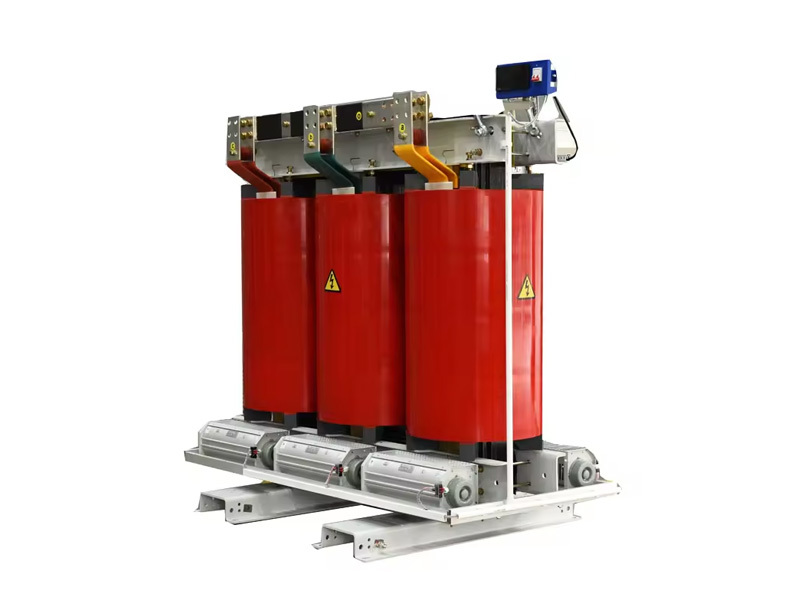
Medium voltage dry-type transformers are essential components in electrical distribution systems, providing voltage transformation while ensuring safety and reliability. They operate in voltage ranges typically between 1 kV and 35 kV. Unlike oil-filled transformers, dry-type transformers use air or solid insulating materials, making them a safer option in many environments.
Key Benefits of Using Medium Voltage Dry-Type Transformers
When selecting a medium voltage dry-type transformer, it’s important to recognize their advantages, which can significantly impact your operational efficiency:
1. Enhanced Safety Features
Dry-type transformers eliminate the risk of oil spills, making them safer for indoor and environmentally sensitive applications. Their non-flammable construction reduces fire hazards, providing peace of mind in industrial and commercial settings.
2. Low Maintenance Requirements
The design of dry-type transformers minimizes maintenance needs. Without oil, there is no requirement for regular fluid checks or potential leaks. This factor can lead to lower operational costs over the transformer’s lifespan.
3. Environmental Compliance
With increasing regulations regarding environmental impact, dry-type transformers often outperform their oil-filled counterparts. Their design contributes to reducing the carbon footprint of electrical systems, aligning with sustainability goals.
Critical Factors to Consider When Selecting a Transformer
When it comes to selecting a medium voltage dry-type transformer, several critical factors must guide your decision-making process. Below, we break down these considerations in detail.
1. Voltage and Power Rating
Choosing the appropriate voltage and power rating is paramount. Ensure the transformer can handle the electrical load of your application. Analyze the load requirements, considering both normal and peak demands, to select a transformer that efficiently meets your needs.
2. Transformer Efficiency
Efficiency directly impacts operational costs. Look for transformers with high efficiency ratings to reduce energy losses. A transformer’s efficiency can vary based on its design and materials used, so evaluate these factors carefully.
Energy Loss Considerations
Assess the core and copper losses, which play significant roles in overall efficiency. Higher efficiency transformers may have a higher initial cost but can yield significant savings over time due to reduced energy consumption.
3. Cooling Method
Dry-type transformers predominantly use natural air cooling, but some may feature forced air cooling. The cooling method affects performance and longevity. Evaluate the ambient temperature of the installation environment and choose a transformer accordingly.
4. Installation Environment
Consider the installation location—a dry-type transformer may be suitable for indoor or outdoor applications, but specific environmental conditions (such as humidity, dust, and temperature) can influence the choice. Ensure the selected transformer can withstand these factors without compromising performance.
5. Configuration and Design
Transformers can come in various configurations, such as single-phase or three-phase. Your application will dictate the necessary configuration. Additionally, consider the design for ease of installation and maintenance, which can significantly affect overall project timelines.
6. Noise Level
Noise can be a concern, especially in urban settings or within residential zones. Selecting a transformer with low noise emissions is crucial to comply with local ordinances and ensure comfort for nearby occupants.
Evaluating Manufacturer and Brand Reputation
Choosing a reputable manufacturer can significantly impact the reliability and performance of the transformer. Investigate the following:
1. Quality Assurance and Standards
Ensure that the manufacturer adheres to recognized industry standards, such as ANSI, IEEE, or IEC. Quality assurance processes indicate a commitment to producing reliable products.
2. Warranty and Support
A strong warranty reflects confidence in the product's durability. Additionally, assess the level of customer support and service offered. Having access to technical assistance can be invaluable for troubleshooting and maintenance.
Understanding Cost Implications
While the initial purchase price of a medium voltage dry-type transformer is important, consider the total cost of ownership, which includes:
1. Installation Costs
Installation requires skilled labor and adherence to safety codes, which can contribute significantly to the overall cost. Budget for these expenses in addition to the equipment cost.
2. Long-Term Operational Costs
Evaluate the cost of energy losses over time. Higher efficiency transformers may have a higher upfront cost but can lead to substantial savings through reduced electricity bills.
3. Maintenance and Repair Costs
Factor in potential maintenance and repair expenses over the lifespan of the transformer. While dry-type transformers generally require less upkeep, unexpected repairs can still arise.
Common Applications of Medium Voltage Dry-Type Transformers
Understanding the applications of medium voltage dry-type transformers can help clarify their suitability for your needs. These transformers are commonly used in:
1. Commercial Buildings
Many commercial facilities rely on dry-type transformers for efficient power distribution. Their safety features make them ideal for office buildings and retail spaces.
2. Industrial Plants
Industrial applications often require robust and reliable transformer solutions. Medium voltage dry-type transformers can efficiently manage heavy loads in manufacturing settings.
3. Renewable Energy Sources
As renewable energy sources gain popularity, dry-type transformers are increasingly used in wind and solar installations, where safety and environmental considerations are paramount.
FAQs About Medium Voltage Dry-Type Transformers
1. What is the lifespan of a medium voltage dry-type transformer?
A well-maintained medium voltage dry-type transformer can last anywhere from 20 to 30 years, depending on operational conditions and usage.
2. Can dry-type transformers be used outdoors?
Yes, dry-type transformers can be designed for outdoor use, but they must be appropriately housed to protect against environmental factors like moisture and debris.
3. How do I determine the right size transformer for my application?
Calculate your total connected load and consider any future expansion needs. Consulting with an electrical engineer can help ensure accurate sizing.
4. Are dry-type transformers more expensive than oil-filled transformers?
While the initial cost of dry-type transformers may be higher, their lower maintenance and operational costs can provide long-term savings.
5. What kind of maintenance do dry-type transformers require?
Maintenance involves regular inspections to check for signs of wear, ensuring proper airflow for cooling, and verifying electrical connections.
Conclusion
Choosing the right medium voltage dry-type transformer is a critical decision that can significantly affect the efficiency, reliability, and overall safety of your electrical systems. By carefully evaluating factors such as voltage requirements, cooling methods, and manufacturer reputation, you can make an informed choice that meets the demands of your specific application. With the insights provided in this guide, we hope to empower you to select the optimal transformer that aligns with your operational goals, ensuring a reliable and efficient electrical distribution system.
PREVIOUS:


REQUEST QUOTE
Please enter your contact information and we will contact you as soon as possible!