He' Nan Chineng Electric Power Equipment Co., Ltd


Blog
Exploring the Crucial Role of Oil-Immersed Voltage Stabilizers in Electrical Transformers
Dec 19,2025
Exploring the Crucial Role of Oil-Immersed Voltage Stabilizers in Electrical Transformers
Table of Contents
- 1. Introduction to Oil-Immersed Voltage Stabilizers
- 2. Understanding Electrical Transformers and Their Importance
- 3. The Need for Voltage Stabilizers in Electrical Systems
- 4. What Are Oil-Immersed Voltage Stabilizers?
- 5. Benefits of Oil-Immersed Voltage Stabilizers
- 6. Operation Principles of Oil-Immersed Voltage Stabilizers
- 7. Applications of Oil-Immersed Voltage Stabilizers in Power Systems
- 8. Maintenance and Care of Oil-Immersed Voltage Stabilizers
- 9. Conclusion
- 10. Frequently Asked Questions
1. Introduction to Oil-Immersed Voltage Stabilizers
In today's fast-paced world, where electricity powers almost every aspect of our lives, ensuring the stability of electrical systems is paramount. **Oil-immersed voltage stabilizers** have emerged as critical components in maintaining the integrity and efficiency of electrical transformers. These devices are designed to regulate voltage levels, preventing fluctuations that could potentially lead to equipment damage or operational inefficiencies. In this article, we will explore the role, benefits, and operation of oil-immersed voltage stabilizers in electrical transformers.
2. Understanding Electrical Transformers and Their Importance
Electrical transformers are indispensable devices in power distribution systems. They facilitate the transfer of electrical energy between circuits, primarily by stepping up or stepping down voltage levels. The mechanism relies on electromagnetic induction, enabling efficient power distribution over long distances.
Transformers play a vital role in various applications, including residential, commercial, and industrial settings. Their ability to manage voltage levels ensures that devices operate safely and effectively. However, without adequate voltage stabilization, transformers can be susceptible to voltage surges, which can lead to equipment failure and reduced lifespan.
3. The Need for Voltage Stabilizers in Electrical Systems
Voltage fluctuations can occur due to several factors, such as changes in load demand, equipment failures, and weather conditions. These fluctuations can result in:
- **Overvoltage**: Excess voltage can damage electrical appliances and reduce transformer efficiency.
- **Undervoltage**: Insufficient voltage can lead to poor performance and malfunctioning of electrical devices.
To mitigate these risks, the incorporation of voltage stabilizers, particularly **oil-immersed types**, is essential. These stabilizers ensure that the voltage supplied to electrical equipment remains within a safe and optimal range.
4. What Are Oil-Immersed Voltage Stabilizers?
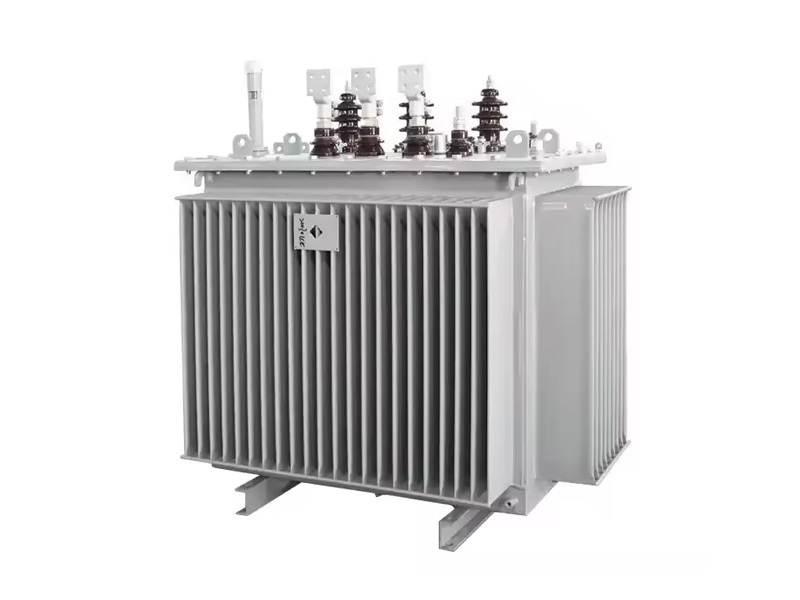
Oil-immersed voltage stabilizers are specialized devices that utilize oil as an insulating and cooling medium. They are designed to maintain a consistent voltage output despite variations in input voltage or load conditions. The oil used in these stabilizers serves multiple purposes:
- **Insulation**: The oil provides excellent electrical insulation, safeguarding components from short circuits and electrical arcing.
- **Cooling**: Oil efficiently dissipates heat generated during operation, preventing overheating and ensuring longevity.
- **Protection**: The oil acts as a barrier against moisture and contaminants, further protecting internal components.
These stabilizers are particularly suitable for high-voltage applications, such as those found in power plants and substations.
5. Benefits of Oil-Immersed Voltage Stabilizers
The advantages of oil-immersed voltage stabilizers are numerous and significant. Some of the key benefits include:
Enhanced Voltage Regulation
Oil-immersed voltage stabilizers provide superior voltage regulation, ensuring that electrical equipment receives a stable voltage supply, which is essential for optimal performance.
Improved Equipment Longevity
By minimizing voltage fluctuations, these stabilizers help to extend the lifespan of transformers and connected electrical appliances.
High Resistance to Environmental Factors
The oil's insulating properties protect against moisture and contaminants, making oil-immersed voltage stabilizers ideal for outdoor installations.
Efficient Thermal Management
The oil's cooling capabilities reduce the risk of overheating, allowing for continuous operation without the need for extensive cooling systems.
Cost-Effectiveness
While the initial investment in oil-immersed voltage stabilizers may be higher than traditional air-cooled options, their ability to reduce maintenance costs and downtime makes them a cost-effective choice in the long run.
6. Operation Principles of Oil-Immersed Voltage Stabilizers
The operation of oil-immersed voltage stabilizers is based on the principle of tap changing and voltage regulation. The key components involved include:
Transformer Core
The transformer core is the central part where magnetic flux is generated, aiding in voltage transformation.
Tap Changer Mechanism
The tap changer adjusts the transformer’s turns ratio, effectively altering the voltage output to match the required levels.
Oil Reservoir
The oil reservoir stores the insulating oil, which circulates within the stabilizer to provide cooling and insulation.
Control System
Modern oil-immersed voltage stabilizers are equipped with advanced control systems that monitor voltage levels and automatically adjust tap positions as needed.
Through these components, oil-immersed voltage stabilizers maintain a consistent output voltage, ensuring seamless operation in electrical systems.
7. Applications of Oil-Immersed Voltage Stabilizers in Power Systems
Oil-immersed voltage stabilizers find extensive applications in various power systems, including:
Industrial Power Distribution
In manufacturing facilities, where heavy machinery operates, maintaining stable voltage is crucial for preventing equipment damage and downtime.
Substations
In substations, oil-immersed voltage stabilizers help regulate voltage levels before distribution to residential and commercial areas.
Renewable Energy Systems
In solar and wind energy systems, these stabilizers ensure that the variable output from renewable sources is converted to a stable voltage for grid integration.
Telecommunication Systems
Telecommunication infrastructures rely on consistent voltage to maintain communication lines and data processing equipment.
8. Maintenance and Care of Oil-Immersed Voltage Stabilizers
Proper maintenance of oil-immersed voltage stabilizers is essential for ensuring their longevity and efficient operation. Key maintenance practices include:
Regular Inspections
Conduct routine inspections to identify any signs of oil leakage, contamination, or wear on components.
Oil Testing
Perform periodic testing of the insulating oil for moisture content, acidity, and dielectric strength to ensure it remains effective.
Cleaning
Keep the external surfaces of the stabilizer clean to prevent dust and debris from entering the system.
Component Replacement
Replace worn or damaged components promptly to prevent operational issues and ensure safety.
By adhering to these maintenance practices, operators can significantly enhance the reliability and lifespan of oil-immersed voltage stabilizers.
9. Conclusion
Oil-immersed voltage stabilizers play an essential role in the effective functioning of electrical transformers. They not only ensure stable voltage output but also enhance the reliability and longevity of electrical systems. By understanding their operation, benefits, and maintenance needs, stakeholders can ensure optimal performance in various applications. The advancement of technology continues to improve these stabilizers, making them a critical component in modern electrical infrastructure.
10. Frequently Asked Questions
What is the primary function of an oil-immersed voltage stabilizer?
The primary function of an oil-immersed voltage stabilizer is to regulate voltage levels to ensure a stable electricity supply, preventing fluctuations that could damage electrical equipment.
How do oil-immersed voltage stabilizers differ from air-cooled stabilizers?
Oil-immersed voltage stabilizers use oil as both an insulating and cooling medium, providing better thermal management and insulation compared to air-cooled stabilizers.
Are oil-immersed voltage stabilizers suitable for high-voltage applications?
Yes, oil-immersed voltage stabilizers are specifically designed for high-voltage applications, making them ideal for use in substations and industrial settings.
What maintenance is required for oil-immersed voltage stabilizers?
Maintenance involves regular inspections, oil testing, cleaning, and prompt replacement of worn or damaged components.
Can oil-immersed voltage stabilizers improve energy efficiency?
Yes, by ensuring a stable voltage supply, oil-immersed voltage stabilizers can help improve the energy efficiency of electrical systems and reduce operational costs.
PREVIOUS:



REQUEST QUOTE
Please enter your contact information and we will contact you as soon as possible!