He' Nan Chineng Electric Power Equipment Co., Ltd


Blog
Top Features to Look for in a Three-Phase Oil-Immersed Transformer
Nov 28,2025
Top Features to Look for in a Three-Phase Oil-Immersed Transformer
Table of Contents
- Introduction to Three-Phase Oil-Immersed Transformers
- Understanding the Basics of Transformers
- The Importance of Three-Phase Transformers in Electrical Systems
- Key Features to Consider in a Three-Phase Oil-Immersed Transformer
- 1. Insulation Materials and Their Importance
- 2. Cooling Systems for Enhanced Efficiency
- 3. Transformer Design and Construction
- 4. Protection Features for Safety
- 5. Maintenance Considerations for Longevity
- Environmental Considerations in Transformer Selection
- Conclusion: Making an Informed Choice
- FAQs About Three-Phase Oil-Immersed Transformers
Introduction to Three-Phase Oil-Immersed Transformers
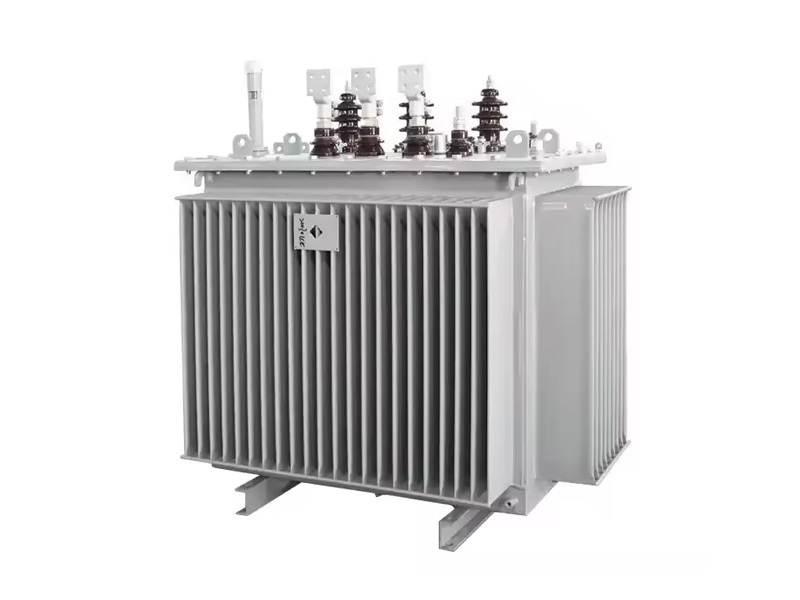
Three-phase oil-immersed transformers are pivotal in modern electrical systems, facilitating efficient energy distribution across a wide range of applications. With their ability to handle significant electrical loads, these transformers are essential in industrial, commercial, and utility settings. Understanding their features is crucial for selecting the right transformer that meets specific operational requirements.
Understanding the Basics of Transformers
Transformers operate on the principle of electromagnetic induction, transforming voltage levels to enable the efficient transmission of electricity over long distances. A three-phase transformer comprises three sets of windings that operate together, allowing for a balanced and efficient distribution of electrical energy. Oil-immersed transformers utilize mineral oil as an insulating and cooling medium, contributing to their reliability and durability.
The Importance of Three-Phase Transformers in Electrical Systems
Three-phase transformers are integral to power systems, providing several advantages, including:
1. **Reduced Power Losses**: By operating on three-phase systems, these transformers minimize losses associated with electrical transmission.
2. **Higher Efficiency**: They offer improved power factor correction and efficiency, making them ideal for industrial applications.
3. **Load Balancing**: The three-phase configuration helps balance loads, preventing overheating and extending the lifespan of electrical components.
Key Features to Consider in a Three-Phase Oil-Immersed Transformer
Selecting a three-phase oil-immersed transformer involves assessing several critical features. Each aspect plays a vital role in the transformer's overall performance and longevity.
1. Insulation Materials and Their Importance
The choice of insulation materials significantly impacts the reliability and performance of a transformer. High-quality insulation:
- **Reduces Risk of Failures**: Effective insulation minimizes the chances of electrical failures and short circuits.
- **Enhances Lifespan**: Proper insulation extends the operational life of the transformer, ensuring it can withstand various environmental conditions.
When selecting a transformer, consider materials like cellulose-based paper or resin-impregnated materials, which offer excellent thermal and electrical stability.
2. Cooling Systems for Enhanced Efficiency
Cooling systems are essential for maintaining optimal operating temperatures within oil-immersed transformers. Common cooling methods include:
- **Natural Cooling**: Utilizes the natural circulation of oil to dissipate heat. This method is cost-effective but may not suffice for high-capacity transformers.
- **Forced Oil Circulation**: Employs pumps to circulate oil, improving heat dissipation and enhancing efficiency in larger transformers.
Consider your application needs when choosing between these cooling methods to ensure the transformer operates efficiently under load.
3. Transformer Design and Construction
The design and construction of a three-phase oil-immersed transformer significantly influence its performance. Key design elements include:
- **Core Design**: A robust core design minimizes energy losses due to hysteresis and eddy currents. Laminated cores made from silicon steel are often preferred.
- **Winding Arrangement**: The configuration of windings can affect the transformer's capacity and efficiency. Ensure that the design aligns with your specific power requirements.
Choosing a transformer with superior design features will enhance performance and reliability, especially in demanding applications.
4. Protection Features for Safety
Safety is paramount in electrical systems, and three-phase oil-immersed transformers should include several protection features:
- **Overload Protection**: Prevents damage by disconnecting the transformer during excessive load conditions.
- **Temperature Sensors**: Monitors oil temperature, triggering alarms or shutdowns if temperatures exceed safe limits.
- **Pressure Relief Devices**: Safeguards against internal pressure buildup, reducing the risk of catastrophic failures.
Incorporating robust protection features is essential for ensuring the safe operation of the transformer.
5. Maintenance Considerations for Longevity
Routine maintenance is crucial for the longevity and reliability of three-phase oil-immersed transformers. Key maintenance considerations include:
- **Regular Inspections**: Conduct periodic inspections to identify potential issues before they escalate.
- **Oil Testing**: Analyzing the insulating oil for contaminants and degradation can provide insights into the transformer's condition.
- **Cleaning and Repairs**: Keeping the transformer clean and addressing repairs promptly will enhance its lifespan and performance.
Implementing a comprehensive maintenance strategy will ensure optimal performance and prevent unexpected breakdowns.
Environmental Considerations in Transformer Selection
Selecting a transformer also involves evaluating its environmental impact. Factors to consider include:
- **Oil Type**: Opt for biodegradable oils or environmentally friendly alternatives that reduce the risk of contamination in case of leaks.
- **Energy Efficiency**: Choose transformers that comply with energy efficiency standards to minimize energy consumption and reduce carbon footprint.
Making environmentally conscious decisions not only benefits the planet but can also enhance your organization’s reputation.
Conclusion: Making an Informed Choice
In conclusion, choosing the right three-phase oil-immersed transformer requires careful consideration of multiple features. From insulation materials to cooling systems and maintenance strategies, each aspect plays a crucial role in ensuring efficient, safe, and reliable operation. By understanding these features and their implications on performance and environmental impact, you can make an informed choice that meets your specific electrical needs.
FAQs About Three-Phase Oil-Immersed Transformers
1. What is a three-phase oil-immersed transformer?
A three-phase oil-immersed transformer is a type of electrical transformer that uses oil for insulation and cooling, designed to handle three-phase electrical systems efficiently.
2. How does an oil-immersed transformer differ from a dry-type transformer?
Oil-immersed transformers use oil for insulation and cooling, while dry-type transformers use air or solid insulation materials. Oil-immersed transformers are typically more suitable for high-capacity applications.
3. What are the advantages of using a three-phase transformer?
The advantages include reduced power losses, higher efficiency, and better load balancing, making them ideal for industrial and commercial electrical systems.
4. How often should maintenance be performed on a three-phase oil-immersed transformer?
Regular inspections should be conducted at least once a year, with more frequent maintenance recommended for transformers under heavy loads or in harsh environments.
5. What are the environmental concerns associated with oil-immersed transformers?
The primary concern is the risk of oil leaks, which can contaminate soil and water. Using biodegradable oils and ensuring proper containment measures can mitigate these risks.



REQUEST QUOTE
Please enter your contact information and we will contact you as soon as possible!